How Weather Changes Affect the Way Your Perfume Smells.
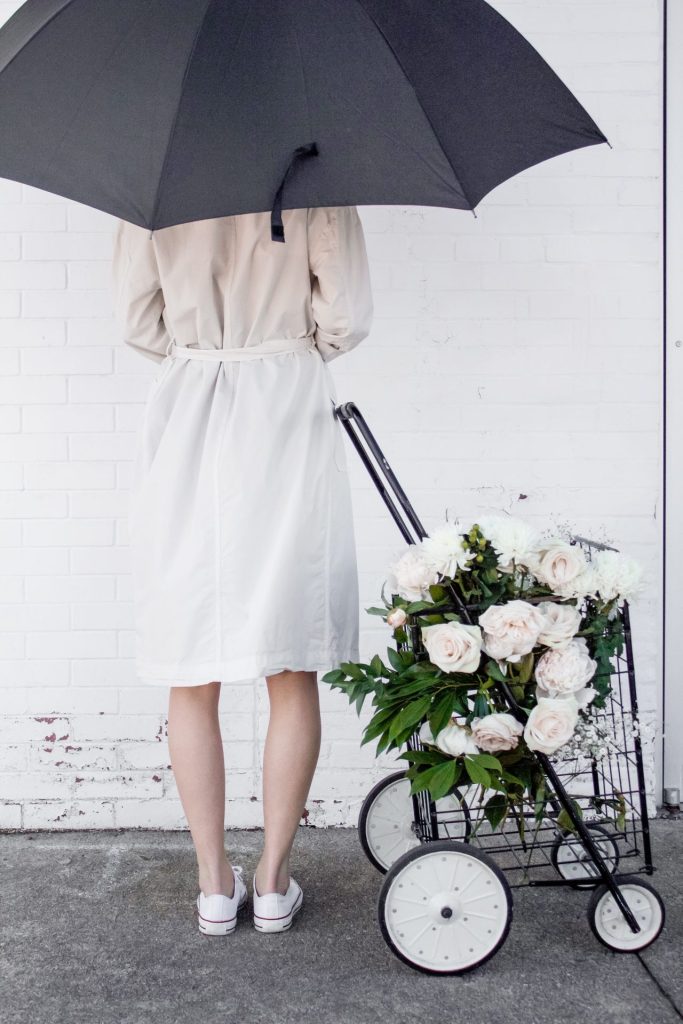
How Weather Changes Affect the Way Your Perfume Smells
When a fragrance you’ve worn for months suddenly smells completely different, the bottle might not be to blame – it could be the weather.
The good news? Once you understand how different weather conditions affect a fragrance, it’s easier to know what to wear and when.
Why Does My Perfume Smell Different in Hot or Cold Weather?
If your perfume smells stronger, weaker, sweeter, or just off, depending on the weather, you’re not imagining it. Temperature, humidity, wind, and even your skin chemistry all affect how fragrance behaves and how it develops throughout the day.
Understanding how weather interacts with scent can help you get the most out of your fragrance, avoid unexpected changes and know when it’s time to adjust.
How Temperature Affects Perfume Performance
Heat speeds things up
In warmer weather, your skin temperature rises, causing perfume molecules to evaporate more quickly. This means you get hit with the scent more quickly and more intensely, but it also fades sooner. Bright top notes, such as citrus, herbs or watery florals, may dissipate in minutes. What you’re left with is the heart and base, which develop more quickly than intended.
Cold air does the opposite
It slows down the evaporation process, so perfumes take longer to unfold. The scent might feel softer, flatter, or as if it’s not doing much. Colder air slows everything down, so the perfume doesn’t open up the way it usually would.
Humidity and Dry Air Change How a Scent Carries
Humidity wreaks havoc on many things during the summer, such as your skin and hair, but it also affects how perfume lingers in the air and on your skin. In humid conditions, heavier or sweeter perfumes can become cloying quickly. Lighter scents may disappear faster or feel like they get lost altogether.
In dry air (especially in colder seasons or arid climates), perfumes often seem sharper or more ‘bare-bones.’ Some notes feel stripped back, and the full depth of a scent may not come through.
If your favourite fragrance smells thin, flat, or too intense, depending on the location, the moisture in the air is likely the cause.
Skin Condition Matters More Than You Think
Your skin changes with the seasons and that affects how your perfume wears throughout the day.
- In warmer weather – Skin tends to hold more moisture and natural oils. This helps fragrance last longer and develop more smoothly.
- In colder weather – Skin often gets drier. Perfume sits on the surface and can disappear more quickly.
Eden Perfumes Expert Tip: If your scent seems to fade faster in winter, apply it after moisturising. A fragrance-free lotion provides a surface for it to cling to and helps it stay on your skin longer. Learn more about how to apply perfume to make it last longer here.
Seasons, Weather and Perfume
Perfume doesn’t perform the same way throughout the year. The weather affects how it wears, how long it lasts and which parts of the scent are most noticeable. When you understand that, it’s easier to choose something that actually suits the day.
That fragrance you shelved last season? Try it again – it might surprise you.
How Do You Know if a Perfume is Clean?
Don’t rely on the word alone. Because there’s no regulation, any brand can use “clean” on a label, even if they’ve barely changed the formula.
If you want to check how seriously a brand takes it, look for these:
- Do they list what ingredients they’ve left out?
- Do they explain why?
- Do they give a full or partial breakdown of the fragrance?
- Is there anything beyond vague marketing language?
Weather and Your Fragrances
Perfume actually moves and shifts with your environment. Weather affects everything from how long your scent lasts to which notes stand out the most. Paying attention to those changes means fewer surprises and better choices day to day.