What Does Spring Smell Like? The Notes Behind the Season.
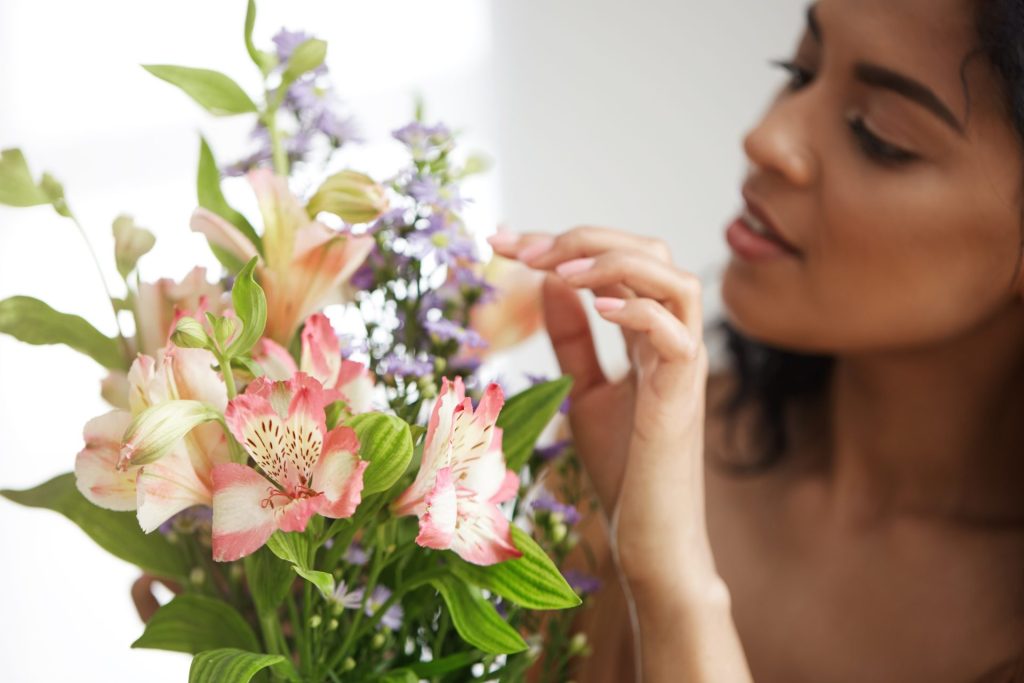
Image by cookie_studio
What comes to mind when you think about Spring? Maybe it’s that first morning when you open the window and the air smells different or is it the smell of April showers and noticing flowers starting to bloom?
Spring has a scent, and most of us recognise it instantly, even if we’ve never stopped to think about what’s actually in it.
In the world of perfumery, that feeling has been bottled and celebrated for centuries in the form of Spring perfumes. So what exactly does spring smell like? Keep reading to find out.
It Begins with Green
Before any flowers appear, spring smells distinctly green and earthy. New growth, damp earth, freshly cut grass, the faint mineral quality of rain on a pavement that’s been cold all winter. These are the notes that do a lot of work in spring fragrances, even though they rarely get the attention that florals do.
In perfumery, this greenness is created through violet leaf, cut grass accords and aquatic notes. There’s also petrichor to consider, which is the specific smell of rain hitting dry earth. It has become increasingly common in contemporary fragrance because it taps into something deeply familiar that most people find genuinely comforting.
The Florals are the Main Event
As temperatures warm and flowers start blooming, the real character of spring kicks in. The most important floral notes in spring perfumery each bring something different.
Peony is the note most closely associated with the season. It’s light, airy and gently powdery without ever feeling heavy or old-fashioned, capturing the mood of those big blowsy garden flowers that appear in April and make everything feel a bit more optimistic.
Rose is the most widely used floral note in perfumery, but in spring it takes on a fresher, greener character than it does in other seasons. Jasmine adds warmth and sweetness and has been a core ingredient in fine fragrance for centuries for good reason. It’s heady without being oppressive and gives spring scents real depth.
Lily is the most delicate of the Spring notes because it smells crisp and clean with a slightly green, watery edge that feels genuinely fresh. It has been associated with spring for a very long time and there’s really nothing else in perfumery that replicates what it does.
Magnolia and cherry blossom both bring a soft, slightly fruity prettiness to a composition. They’re fleeting in real life, which is probably part of why they feel so evocative when they appear in a fragrance.
A Touch of Fruit
Spring also carries a brightness that leans faintly fruity. We’re not talking overly tropical or heavy, but more light and sparkling, like a delicate strawberry or the sharpness of fresh citrus. Bergamot, pear, rhubarb and lychee all appear in spring fragrances for exactly this reason. They give a scent energy and stop the floral heart from feeling too soft.
The Warmth That Holds The Fragrance Together
As winter fades, warmth creeps back into everything, including how fragrance behaves on skin. Soft musks, sandalwood and a subtle hint of vanilla give spring scents their staying power and that close-to-skin quality that makes a fragrance feel personal.
This is also why spring fragrances perform so differently to winter ones.
In cold weather, fragrance stays close to the skin and heavier notes tend to dominate. But when temperatures rise, lighter top and heart notes have room to breathe and open out properly. For example, a delicate floral that felt underwhelming in January can smell completely transformed by April.
Choosing a Spring Scent
If you’ve ever noticed that a perfume you loved in autumn feels slightly off by spring, this is the reason. The same fragrance genuinely does perform differently depending on the season, the temperature and even your skin. The instinct to switch things up is completely reasonable.
The notes that tend to work best in spring are the ones with some freshness and life to them. Green notes, light florals, a bit of fruit and a soft warm base. The heavier, richer scents of winter are just better suited to a different kind of season. And when the season changes, it makes sense that your perfume does too.